
Is Sugar Defender Safe for Type 1 vs Type 2 Diabetics? Key Facts
Navigating the world of natural blood sugar support can be overwhelming, especially when managing specific medical conditions. If you are wondering if Sugar Defender is safe for Type 1 vs Type 2 diabetics, it is crucial to understand how the formula interacts with your body’s unique metabolic needs. This guide breaks down the safety profile and considerations for both types of diabetes to help you make an informed decision.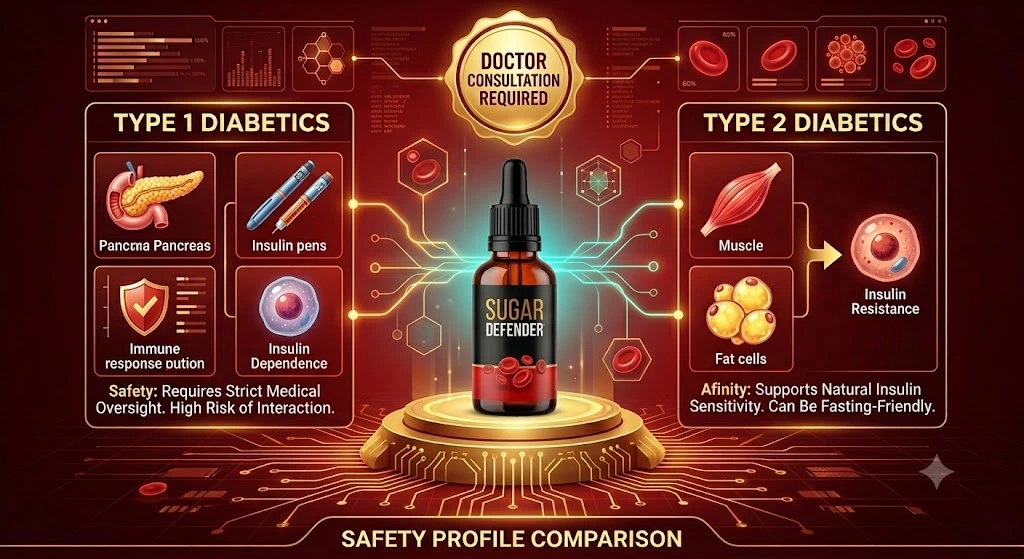
Natural Blood Sugar Support and Type 2 Diabetes
For individuals with Type 2 diabetes, herbal supplements for type 2 diabetics often serve as complementary tools alongside lifestyle changes. Sugar Defender contains ingredients like Ginseng and Gymnema, which are frequently studied for their role in metabolic health. However, because these ingredients can influence how the body processes sugar, it is vital to monitor levels closely to avoid hypoglycemia. According to Healthline, some natural extracts may enhance insulin sensitivity, making it imperative to consult a healthcare provider before starting any new regimen.
| Pros | Cons |
|---|---|
|
|
Considerations for Type 1 Diabetics and Insulin Interaction
When evaluating glucose management for type 1, the stakes are different because the body does not produce insulin. The primary concern with Sugar Defender and insulin interaction is the risk of an unpredictable drop in blood glucose if the supplement compounds the effects of prescribed insulin. Since Type 1 is an autoimmune condition, any diabetes supplement safety review must emphasize that these products cannot replace medical treatments. An endocrinologist consultation for supplements is non-negotiable for Type 1 patients to ensure the formula does not interfere with their carefully calculated insulin-to-carb ratios or basal rates.
Frequently Asked Questions
Q: Can Sugar Defender replace my diabetes medication?
A: No, Sugar Defender is a dietary supplement designed to support healthy glucose levels and should never be used as a replacement for insulin or oral medications prescribed by a doctor.
Q: Should I talk to my doctor before taking this supplement?
A: Yes, it is highly recommended to seek an endocrinologist consultation for supplements to discuss safety, especially regarding potential interactions with your current treatment plan.